As the days get shorter and the temperatures begin to drop, you might notice that your mood, energy levels, and sleep patterns start to change, too. Maybe getting out of bed feels a little harder than it did a few weeks ago. Perhaps you find yourself feeling more irritable, less motivated to socialize, or wanting to spend your evenings curled up on the couch instead of doing all the things you enjoyed during the summer.
If this sounds familiar, you are certainly not alone.
The transition from fall to winter can affect us in ways that go beyond simply needing a warmer coat. The reduction in daylight, cooler temperatures, and end of daylight saving time can influence our sleep-wake cycles, energy levels, and emotional well-being. For some people, these changes are relatively minor. For others, they can have a noticeable impact on their mental health.
If you have experienced trauma, anxiety, or ongoing stress, you may find these seasonal transitions particularly challenging. When you are already working hard to manage your emotions and get through your daily responsibilities, feeling more tired or emotionally overwhelmed can make things feel even harder.
The good news is that there are practical ways to support yourself through the darker months. You do not need to force yourself to maintain the same energy levels you had in July, nor do you need to spend the winter feeling as though you are fighting against your own body.
Let's explore how seasonal changes affect our mood, emotions, and sleep, along with some strategies to help you navigate the transition.
Why Do Seasonal Changes Affect Our Mood? West End Ottawa Trauma Therapy
One of the biggest differences between summer and winter is the amount of daylight we receive. As fall progresses, the sun rises later and sets earlier, leaving us with fewer hours of natural light.
Light plays an important role in regulating our circadian rhythm, which is our internal body clock. This system helps coordinate when we feel awake, when we become sleepy, and various processes that influence our energy and functioning throughout the day.
Changes in light exposure can affect the timing of our sleep-wake cycle and the biological processes involved in regulating mood. We may feel sleepier earlier in the evening, struggle to wake up in the morning, or notice that our energy is lower throughout the day.
Reduced daylight can also affect our motivation to get outside, exercise, and connect with other people. When it is dark and cold, activities that once felt easy or enjoyable may suddenly require much more effort.
You might find yourself declining invitations, postponing errands, or spending more time at home. There is nothing inherently wrong with any of these changes. However, if they lead to increased isolation or a loss of activities that help you feel good, they can contribute to a decline in mood. Click here to see how my services can help support your mood and emotional regulation.
For some people, these changes are part of a relatively mild experience often called the winter blues. For others, seasonal changes can contribute to seasonal affective disorder (SAD), a form of depression with a recurring seasonal pattern. SAD can involve persistent low mood, loss of interest in activities, fatigue, difficulty concentrating, and changes in sleep or appetite.
It is important to remember that not everyone experiences seasonal changes in the same way. You may notice a significant difference in your mood each winter, while someone else barely notices the transition. Neither experience is wrong.
The important thing is to pay attention to your own patterns and recognize when you might need a little extra support. Click here to book a free consult to get support.
How the End of Daylight Saving Time Affects Sleep
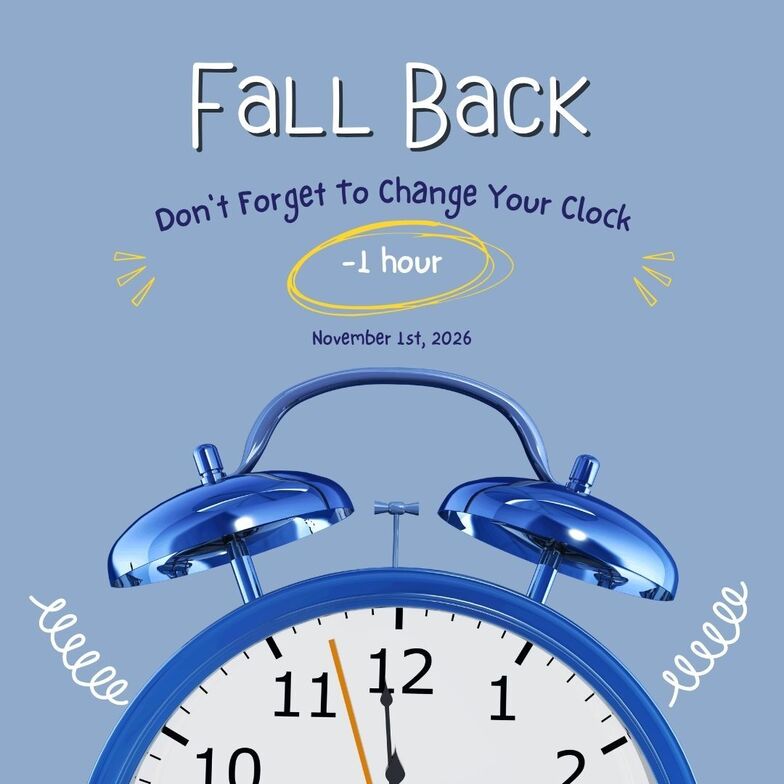
In Ontario, the end of daylight saving time means turning our clocks back one hour in the fall. Technically, this gives us an extra hour of sleep that night, which sounds like a pretty good deal. However, the adjustment is not always as straightforward as it seems.
Our bodies do not automatically reset their internal clocks simply because the time on our phones changes. The timing of daylight exposure, meals, activities, and sleep all help regulate our circadian rhythm. When the clock changes, our internal body clock may take some time to adjust to the new schedule. You might find yourself feeling sleepy earlier in the evening, waking up earlier than usual, or feeling tired at unexpected times throughout the day.
Research examining Canadian adults found that the transition back to standard time was associated with a temporary increase in several reported sleep difficulties, including trouble falling asleep and staying asleep. These effects were not permanent, and the broader research on seasonal sleep changes is mixed, but it does suggest that the adjustment can affect some people.
The bigger challenge is that the clock change happens just as we are moving into a season with less natural daylight. Even after our bodies adjust to the time change, the shorter days can continue to affect our sleep and energy levels.
And when we do not sleep well, it can become harder to manage our emotions.
The Connection Between Sleep and Emotional Regulation with West End Ottawa Therapy
Have you ever noticed that everything feels a little more difficult after a poor night's sleep? You might feel more impatient with your partner, become frustrated over something that would not normally bother you, or find yourself worrying about things that usually feel manageable. There is a reason for this.
Sleep plays an important role in emotional regulation. When we are tired, we may have less capacity to pause, reflect, and respond thoughtfully to stressful situations. Our ability to concentrate, problem-solve, and cope with everyday challenges can also be affected. Click here to read my blog post about the Window of Tolerance.
This can create a frustrating cycle. Seasonal changes affect our sleep, poor sleep makes it harder to manage our emotions, and increased stress can then make it more difficult to fall asleep the following night.
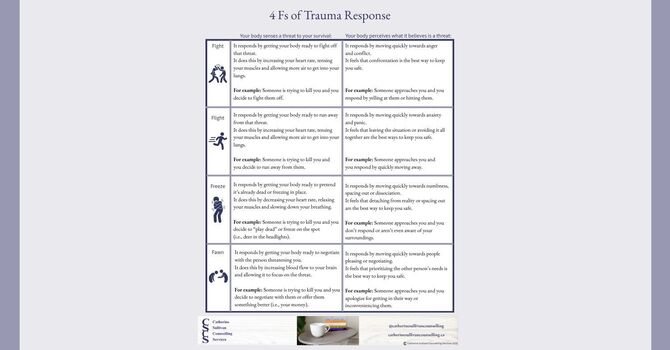
For people who have experienced trauma, this cycle can feel particularly familiar. Trauma can affect our sense of safety and influence how our nervous system responds to stress. Some people experience heightened alertness, racing thoughts, or difficulty relaxing at bedtime. Others may feel exhausted but still struggle to fall asleep or stay asleep. When we are already feeling overwhelmed, the added fatigue associated with seasonal changes can make it harder to use the coping strategies that usually help. This does not mean you are going backward in your healing. It may simply mean your system is dealing with several demands at once. Click here to see how my services can help support you.
Why You Might Feel More Emotional During the Darker Months
Along with changes in sleep and energy, you may notice that your emotions feel different during the fall and winter. Perhaps you feel more anxious, irritable, sad, or easily overwhelmed. Maybe you have less patience for other people or find that everyday responsibilities require more emotional effort. There are several reasons this might happen.
First, fatigue can reduce our ability to cope with stress. When we are tired, small frustrations can feel much bigger than they would otherwise.
Second, reduced daylight and changes in routine may affect our mood and motivation. If you are spending less time outside, moving your body less often, or seeing friends less frequently, you may be missing some of the activities that help support your emotional well-being.
Third, seasonal changes can bring up feelings about previous experiences. The fall and winter months may remind us of difficult periods in our lives, family stress, grief, or holidays that do not feel particularly joyful.
For some people, this time of year can highlight feelings of loneliness or the pressure to feel happy when everyone else seems to be celebrating. And if you have a history of trauma, the combination of fatigue, stress, and changes in routine may make existing emotional difficulties more noticeable. It is worth remembering that emotions are not always a sign that something is wrong. Sometimes they are information about what we need.
Feeling more irritable might be a reminder that you need rest. Feeling disconnected might be a signal that you need some meaningful social contact. Feeling overwhelmed might indicate that your usual schedule needs a little adjusting. Instead of immediately judging yourself for how you feel, try approaching your emotions with curiosity. What might they be telling you about what you need right now?
Four Strategies to Help You Navigate the Seasonal Transition with West End Ottawa Trauma Therapy
The goal is not to eliminate every difficult feeling or force yourself to have the same energy all year round. Instead, it is to find ways to support your body and mind while adjusting to the changes. Here are four strategies worth considering.
1. Try a Happy Light
If you struggle with low energy or mood during the darker months, a happy light, also known as a light therapy lamp, may be worth exploring.
Light therapy is commonly used to help manage seasonal affective disorder. It involves sitting near a specially designed bright-light device that provides a controlled amount of light intended to mimic some of the effects of natural daylight.
A light therapy lamp is not the same as an ordinary desk lamp. Devices used for this purpose are typically designed to provide 10,000 lux of light, with the timing and duration of exposure depending on the device and individual needs.
For many people, light therapy involves using the lamp in the morning for approximately 20 to 30 minutes, following the manufacturer's instructions and professional guidance where appropriate.
Here are a few things to keep in mind:
-
Consistency matters. If light therapy is helpful for you, using it regularly may be more beneficial than using it occasionally.
-
Morning use is common. The timing of light exposure can affect your circadian rhythm, so morning use is often recommended for winter-pattern seasonal depression.
-
Choose an appropriate device. Look for a light specifically designed for light therapy rather than relying on a regular household lamp.
-
Give yourself time. Some people notice improvements within days, while others may need several weeks.
Light therapy is not suitable for everyone. If you have bipolar disorder, an eye condition, or take medication that increases sensitivity to light, speak with a healthcare professional before starting. Light therapy can sometimes trigger agitation or hypomania in susceptible individuals.
It is also important to remember that a happy light is not a replacement for professional treatment when symptoms are significant.
2. Pay Attention to Vitamin D
Vitamin D is another consideration as we move into the darker months.
Our bodies produce vitamin D through exposure to ultraviolet B radiation from sunlight. During Canadian winters, reduced opportunities for effective sun exposure can make it more difficult to maintain adequate levels through sunlight alone.
Vitamin D is important for bone health and several other functions in the body. Researchers have also investigated its relationship with mood, although the evidence is mixed. Taking vitamin D is not a guaranteed way to prevent or treat seasonal depression.
So, what should you do?
Consider discussing vitamin D with your healthcare provider, particularly if you have concerns about your levels or are at increased risk of deficiency. They can help you determine whether supplementation makes sense for you and what dose is appropriate. You can also obtain vitamin D through foods such as fatty fish, egg yolks, and fortified milk or plant-based beverages.
It is tempting to think that taking a supplement will solve the problem of feeling tired or low during the winter. Unfortunately, it is rarely that simple. Fatigue and low mood can have many causes, so persistent symptoms deserve attention rather than automatically being attributed to the season. Think of vitamin D as one possible piece of the bigger picture, rather than a magic solution to winter blues.
3. Keep Your Routine Consistent
When the days become shorter and our energy levels change, it can be tempting to abandon our usual routines. Perhaps you start going to bed at a different time every night, skip breakfast because you are rushing, or find that you are no longer making time for activities that used to help you feel grounded.
While it is completely understandable to want to slow down during the winter, maintaining some consistency can help support your sleep and emotional well-being. You do not need a rigid schedule that accounts for every minute of your day. Instead, focus on a few reliable anchors.
Try to keep your sleep schedule relatively consistent. Going to bed and waking up at similar times each day can help support your body's internal clock. If you need to adjust your schedule, aim for gradual changes rather than dramatic shifts.
Get some natural light when you can. Opening the curtains in the morning, taking a short walk during daylight hours, or spending a few minutes outside can help you maintain a connection with the natural light cycle. Even on cloudy days, outdoor light can be useful.
Continue making time for movement. This does not need to mean going to the gym or following an ambitious exercise program. Stretching, walking, yoga, or dancing around your kitchen all count as ways to move your body.
Keep some social connection in your schedule. You may not feel like attending every event or making elaborate plans, but maintaining contact with people who make you feel supported can help prevent isolation.
Protect the activities that help you feel like yourself. Perhaps you enjoy reading before bed, practising yoga, listening to music, or spending time on a hobby. Keeping these activities in your routine can provide a sense of familiarity when other things are changing.
If you find yourself struggling to maintain your usual routine, start small. Pick one or two habits that feel manageable and build from there. Consistency is not about doing everything perfectly. It is about creating enough structure to help you feel supported, even when your energy fluctuates.
4. Accept That You Might Need a Little More Hibernation
This is one of my favourite strategies because it involves changing how we think about winter in the first place.
We often expect ourselves to function at the same pace throughout the entire year. We should be productive, social, energetic, organized, and motivated, regardless of the weather or how much daylight we have. But what if we allowed ourselves to slow down a little?
What if winter were a season for resting more, spending quieter evenings at home, reading a book, making soup, or watching a favourite television show without feeling guilty about it? There is nothing wrong with wanting a little more downtime when the days are short and the temperatures are cold.
The key is learning the difference between restorative rest and withdrawal that leaves you feeling worse.
Restorative rest helps you recharge. It might mean saying no to a social event because you are tired, going to bed earlier, or spending a Saturday morning reading instead of rushing through a long to-do list.
Withdrawal, on the other hand, may involve gradually disconnecting from the people and activities that usually bring you enjoyment or meaning. You might stop responding to friends, avoid leaving the house, or lose interest in nearly everything you used to enjoy.
The distinction is not always clear-cut, and sometimes rest and withdrawal overlap. That is why it helps to pay attention to how you feel over time.
Instead, think about finding a winter rhythm that balances rest with the things that help you feel connected and engaged. Maybe that means fewer social commitments but more meaningful ones. Perhaps you plan a weekly coffee with a friend rather than attending several large gatherings. You might replace an evening activity with a quiet night at home while keeping your regular yoga class or weekend walk. You can give yourself permission to do less without giving up on the things that matter to you.
And if you have experienced trauma, remember that rest can be especially important when your nervous system has been working hard to manage stress. You do not need to earn rest by exhausting yourself first. Click here to read my Blog Post on Grounding Techniques.
How West End Ottawa Trauma Therapy and EMDR Can Help
For some people, seasonal changes bring more than tiredness or a temporary dip in motivation. They can make existing anxiety, emotional distress, or trauma-related symptoms feel more difficult to manage. If you notice that you are more easily triggered, feel constantly on edge, struggle to relax, or find that difficult memories seem closer to the surface, it may be helpful to explore these experiences with a therapist. Click here to book a free consult to get support.
Trauma therapy provides a space to understand how past experiences may continue to affect your emotions, relationships, and responses to stress in the present. Sometimes, current stressors or changes in routine can bring attention to patterns that have been there for a long time. You may notice that uncertainty feels particularly difficult, that you have trouble allowing yourself to rest, or that you become overwhelmed when you feel you are not in control. Therapy can help you understand these patterns without judging yourself for having them.
Therapy can also help you identify practical strategies for managing stress, improving emotional regulation, and creating routines that support your well-being. You do not need to wait until you are in crisis to seek support. If you notice that every fall and winter feels particularly difficult, or that seasonal changes seem to intensify symptoms you already experience, that is worth exploring. Click here to book a free consult to get support.
If you are looking for trauma therapy in West End Ottawa, working with me can help you better understand your experiences and develop strategies that fit your needs. Click here to see how my services can help support you.
Frequently Asked Questions About Seasonal Changes, Mood and Sleep
Does the end of daylight saving time cause depression?
The clock change itself does not automatically cause depression. However, the transition can temporarily disrupt sleep for some people, while the shorter days and reduced daylight of fall and winter may contribute to low mood. People who experience seasonal affective disorder may notice more significant symptoms during this period.
Why am I so tired when the clocks go back?
Your internal body clock does not immediately adjust to the new time. You may feel sleepy earlier in the evening or wake earlier in the morning while your body adapts. Reduced daylight and changes in your daily routine can also contribute to fatigue.
Can a happy light help with winter blues?
Light therapy can be helpful for some people, particularly those experiencing seasonal affective disorder. The effectiveness depends on factors such as the type of device, timing, consistency, and individual circumstances. Speak with a healthcare professional if you are unsure whether it is appropriate for you.
Should I take vitamin D during the winter?
Some people may benefit from vitamin D supplementation, particularly if they are at risk of deficiency. However, supplementation is not a guaranteed treatment for low mood or fatigue. A healthcare provider can help you decide what is appropriate for your circumstances.
When should I seek professional help?
Consider reaching out if low mood, fatigue, anxiety, sleep difficulties, or loss of interest in activities persist, interfere with your daily life, or become increasingly difficult to manage. You do not need to wait until symptoms are severe to ask for help. If you are experiencing thoughts of suicide or feel unable to keep yourself safe, seek immediate support through emergency services or a crisis service.
Final Thoughts: Finding Your Own Winter Rhythm with West End Ottawa EMDR
The end of daylight saving time and the transition into winter can affect our mood, emotions, energy, and sleep in ways that are easy to overlook. When we are already managing work, relationships, family responsibilities, and everyday stress, these seasonal changes can feel like one more thing to navigate. But you do not have to approach winter as something to simply endure.
A happy light may help support your mood. Paying attention to vitamin D can be part of looking after your physical health. Maintaining a consistent routine can provide stability, while allowing yourself a little more rest can help you work with your changing needs rather than against them. Most importantly, give yourself permission to adjust.
You do not need to be as productive in December as you were in June. You do not need to accept every invitation or fill every moment with activity. And you do not need to dismiss your feelings simply because the weather has changed.
If the darker months bring up difficult emotions or make existing struggles feel heavier, support is available. Trauma therapy, including EMDR and CPT, may help you work through underlying experiences and develop tools for managing what comes up.
As we move through the winter months, perhaps the goal is not to maintain the same pace all year long. Perhaps it is to learn how to care for ourselves through each season, recognizing that our needs can change and that we can respond to those changes with patience, flexibility, and compassion.