
One of the biggest barriers to seeking trauma therapy isn’t denial — it’s comparison.
“I know other people have had it worse.”
“It wasn’t that bad.”
“I shouldn’t still be upset about this.”
If you’ve ever had these thoughts, you’re not alone. But let’s be clear: there is no such thing as trauma that is “too small” or “too minor” to require treatment.
Many people compare their experiences to others — a friend who survived a serious accident, a family member who experienced abuse, or stories shared on social media. When you do this, it can leave you feeling like your pain isn’t “big enough” to matter.
But here’s the truth:
Comparison doesn’t calm your nervous system — it adds shame on top of distress.
Trauma Isn’t Defined by the Event — It’s Defined by Your Nervous System
You may have heard terms like “Big T” and “small t” trauma. I'm not a fan of this level of categorization.
When something is labeled as “small,” people often believe that it shouldn’t affect them deeply. And if it does, they feel like something is wrong with them.
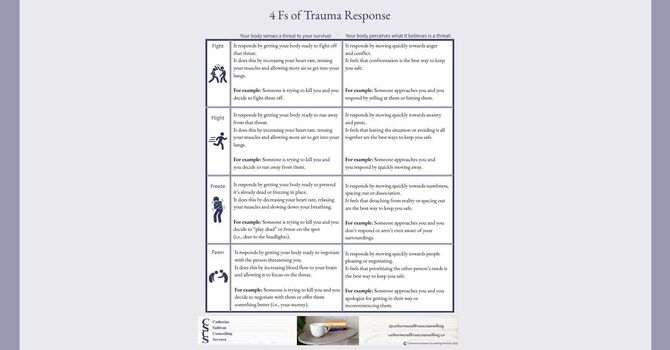
Trauma is about how your nervous system experiences and stores what happened.
Two people can go through the exact same situation and respond in completely different ways. That doesn’t make one reaction more valid than the other.
When Does Trauma Require Treatment?
- Do certain memories still feel intense or hard to shake?
- Do you feel overwhelmed, anxious, or on edge without fully understanding why?
- Does your body react even when you logically know you’re safe?
If the answer is yes, that’s enough.
You don’t need to justify your pain.
You don’t need to prove it was “bad enough.”
If it’s impacting you, it deserves attention and care.
Ready to take the next step?
Please click here to schedule a free consult to see if you need to treat or process the trauma you’ve experienced.


.jpg)