When trauma happens, it changes more than just how we feel — it changes how our brain stores the experience.
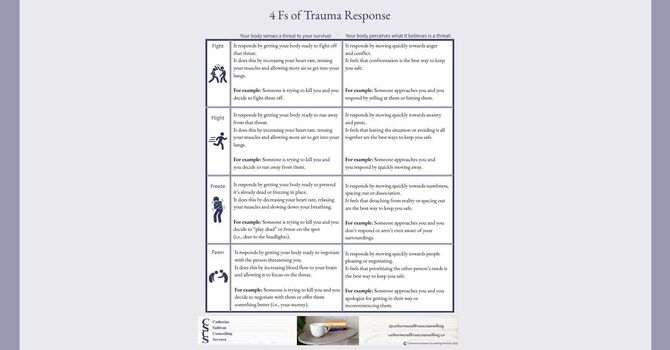
You might notice that certain memories don’t feel like they’re in the past, they feel like they’re happening in the present. Even when you know you’re safe, your body may still react as if it’s under threat. This activates your body’s built in trauma response system which results in feelings of anxiety, anger, sadness or numbness.
When something traumatic occurs, the brain shifts into protective mode. In this state, the nervous system prioritizes survival over memory storage. As a result, the experience doesn’t get processed and filed away like other memories.
Instead, pieces of the memory can become fragmented and stored in different parts of the brain. The sounds might be stored in one place. The images in another. The physical sensations somewhere else. Think of it like pieces of a puzzle that are scattered throughout your brain.
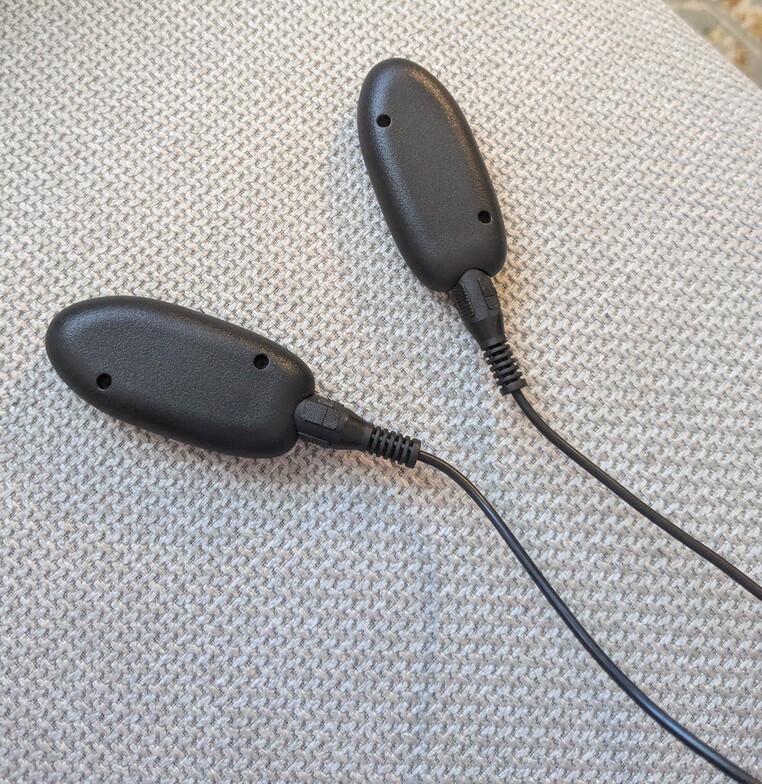
As a memory is reprocessed with EMDR:
- The emotional intensity decreases
- Triggers feel less overwhelming
- Your body becomes less reactive
- You feel more grounded and in control
The memory doesn’t disappear. It becomes something that happened — not something that feels stuck in your system. EMDR helps to put the pieces of the puzzle back together in your brain and store them in the proper place.
If you’re feeling overwhelmed, anxious or constantly on edge, EMDR may offer a path toward feeling calmer, grounded, and more like yourself again. Click here to schedule a free consult with me to start your EMDR journey.


.jpg)